
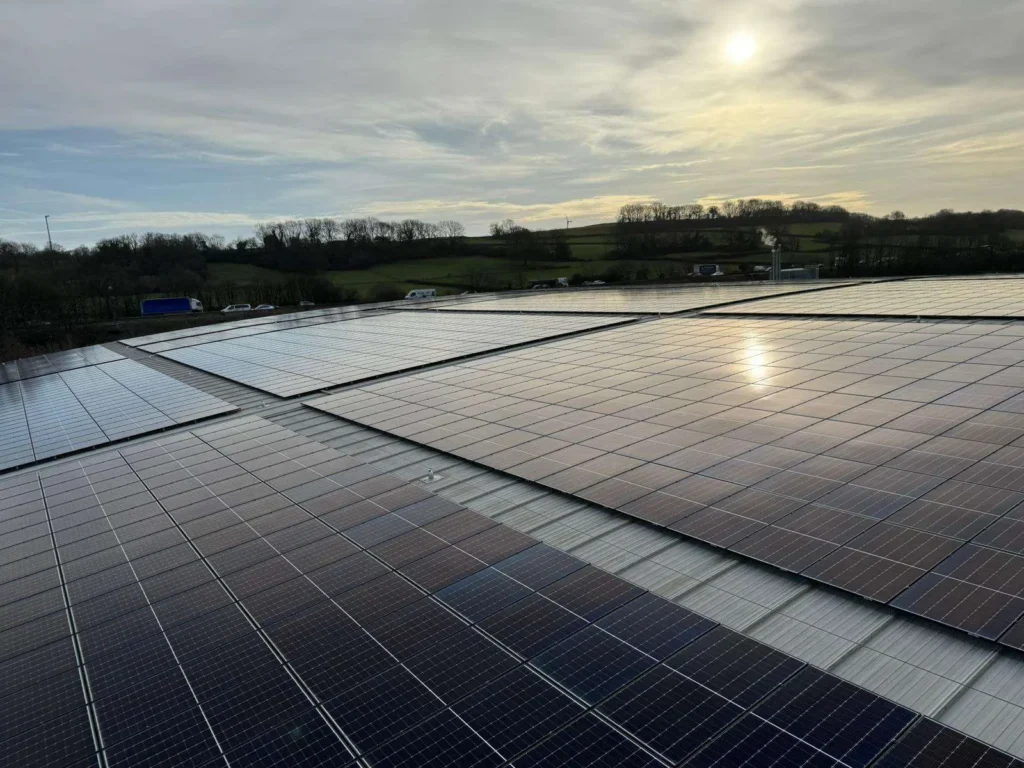
Solar energy is increasingly becoming the backbone of sustainable power solutions for commercial operations. With commercial solar system installations representing a significant financial and environmental investment, it’s essential to ensure their optimal performance over time. One critical tool for achieving this is solar PV monitoring, a process that provides real-time insights into system performance, energy production, and efficiency.
In this blog, we will explore the importance of monitoring commercial solar PV systems, the methods available for tracking performance, and how ongoing maintenance complements monitoring to protect and enhance the value of your solar investment.
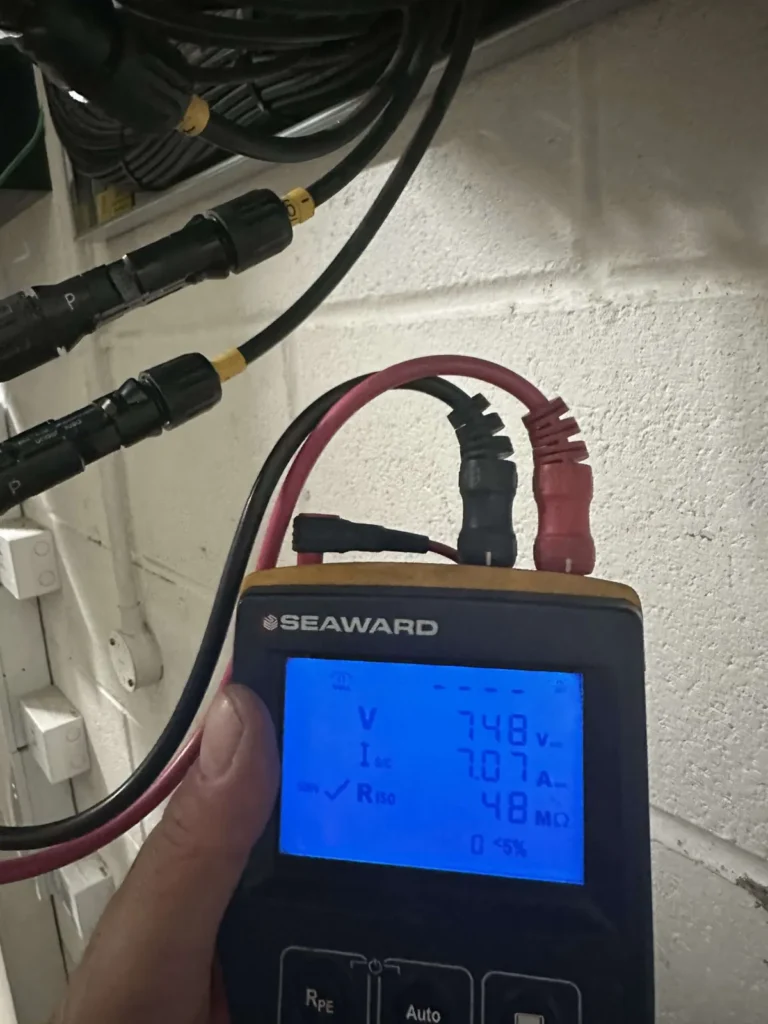
What Is Commercial Solar PV Monitoring?
Solar PV monitoring is the process of tracking and analysing the performance of a commercial solar power system. It involves collecting and visualising data about energy generation, consumption, and potential system issues. A monitoring system enables businesses to:
Track energy flow:
Gain an in-depth understanding of how energy moves through the system, from generation to consumption.
Detect issues early:
Receive low generation and defect alerts if performance anomalies or malfunctions occur.
Maximise efficiency:
Maximise efficiency by using energy during optimal generation periods when demand and costs are lower, helping you reduce operational costs and reduce reliance on the grid.
Safeguard Asset investment:
Ensure the solar photovoltaic (PV) system operates efficiently, provides real-time data, enables efficient energy usage and asset management, and maintains long-term value.
For commercial solar power installations, which often operate at a larger scale and involve greater complexities, PV monitoring is indispensable for maintaining energy goals and cost savings.
Why Is commercial Solar Power Monitoring Important?
The advantages of monitoring extend beyond simply knowing how much energy your system generates. For commercial solar power systems, these benefits translate into measurable savings, operational efficiency, and prolonged system life.
1. Optimising Energy Usage
Monitoring provides insights into energy production patterns, enabling businesses to align their operations with peak solar generation times. For instance, high-energy processes can be scheduled during periods of maximum production, reducing reliance on grid power and cutting costs.
2. Preventing Energy Loss
A solar PV system's performance can degrade due to factors such as shading, panel damage, or inverter issues. Monitoring systems detect anomalies early, preventing small issues from escalating into significant energy losses.
3. Improving ROI
Commercial solar systems are substantial investments. Monitoring ensures they operate at peak efficiency, helping businesses achieve a faster return on investment (ROI). By identifying performance dips, companies can address inefficiencies promptly and sustain high energy yields.
4. Compliance and Reporting
Many commercial solar power installations must meet compliance standards or provide performance data to regulatory bodies. A monitoring system simplifies this process by providing accurate data logs and historical performance metrics.
5. MID Approved Metering
MID metering is essential for commercial solar power monitoring as it ensures accurate, reliable energy measurements for billing, performance tracking, and regulatory compliance. Certified to EU standards, MID meters provide trustworthy data for assessing ROI, optimising efficiency, and enabling transparent energy trading, including selling excess power back to the grid.
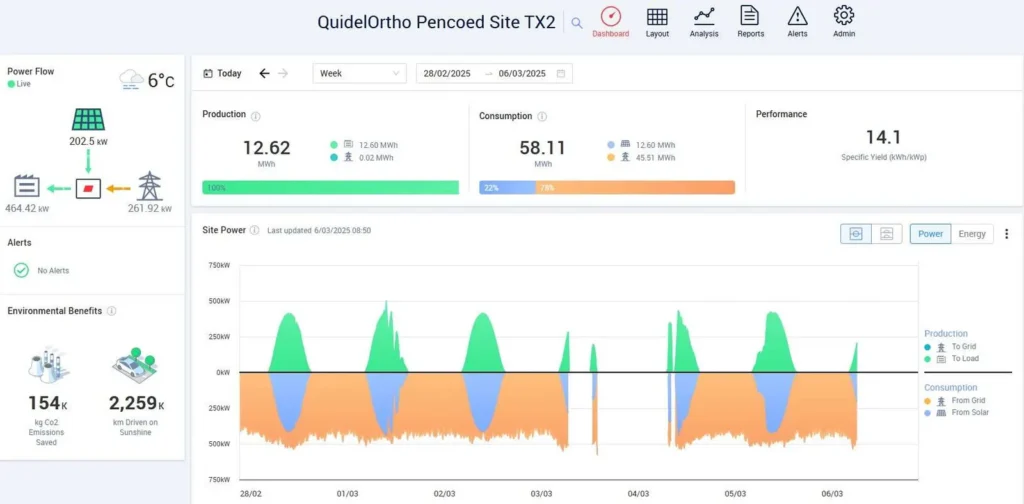
How to Monitor a Commercial Solar PV System?
Monitoring a solar PV system is straightforward, thanks to advanced tools and platforms designed to make the process efficient and accessible. Below are the primary methods businesses can use:
1. Monitoring Systems
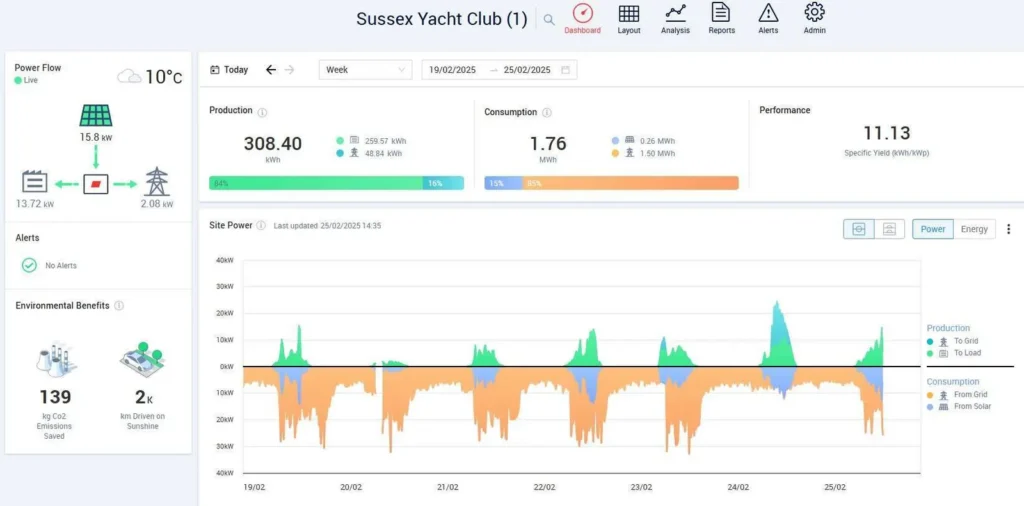
Dedicated monitoring systems are integrated into most commercial solar systeminstallations. These systems connect to inverters, solar panels, and meters to provide real-time data on energy production, consumption, and overall system health.
Features include:
✅ Real-time alerts for faults or inefficiencies.
✅ Historical data analysis to spot trends and optimise performance.
✅ Integration with energy management systems for detailed insights.
2. Monitoring Apps
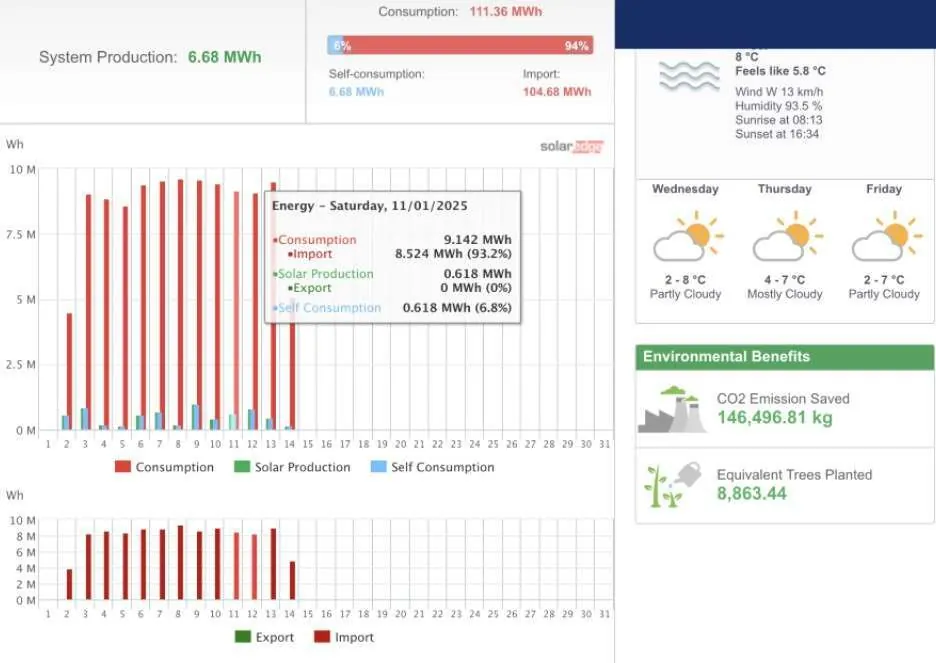
Many inverter manufacturers provide free mobile apps to track system performance. These apps allow business owners to monitor their commercial solar PV systems remotely, providing features like energy production graphs, consumption trends, and alerts on system performance issues.
3. Web Portals
Some monitoring systems upload performance data to cloud-based web portals. These portals can be accessed from any location, making them ideal for businesses managing multiple solar installations. They provide detailed dashboards and customisable reports, helping facility managers analyse performance across various sites.
4. Manual Recording
For businesses with simpler systems, manually logging performance metrics from the generation meter is a low-tech but effective method. While this lacks real-time alerts, it allows for tracking basic energy production trends and detecting significant deviations.
Thinking about solar for your business?
Tell us about your site and we will come back with a free, no-obligation desktop consultation and a clear payback estimate. Prefer a quick answer? Estimate your savings with our solar calculator.
The Role of Maintenance in Solar PV System Performance
While monitoring helps track and analyse the solar PV system performance, regular maintenance ensures the physical components of the system remain in top condition. Together, monitoring and maintenance form the foundation of a successful commercial solar energy strategy.
1. Preventing System Failures
Dirt accumulation, wiring issues, and component wear can lead to significant performance drops. Regular maintenance involves cleaning solar PV system panels, inspecting wiring, and testing system components to prevent failures that monitoring systems detect.
2. Extending System Life
Well-maintained solar PV panels and inverters last longer, ensuring businesses can maximise their commercial solar system investment over decades. Maintenance minimises degradation rates, ensuring steady energy output over the system's life span.
3. Ensuring Warranty Compliance
Most commercial solar power systems come with warranties that require periodic inspections and servicing. Failure to maintain the system may void warranties, leaving businesses vulnerable to repair costs.
4. Improving Energy Yields
Regular maintenance, including debris removal, vegetation trimming, and component repairs, helps restore solar panels to peak performance, ensuring maximum energy output. Automated, precision-tuned systems also enhance energy usage efficiency for optimal results.
Best Practices for Commercial Solar System Maintenance
To complement monitoring efforts, businesses should adopt a proactive approach to solar PV system maintenance.
Schedule Routine Inspections
Conduct bi-annual or annual inspections to check for dirt accumulation, corrosion, or physical damage.
Clean Solar PV Panels
Dirt, dust, and bird droppings can block sunlight and reduce energy production. Clean panels regularly, especially in dusty or polluted areas.
Monitor Inverter Performance
Inverters are crucial to converting solar energy into usable electricity. Ensure they are operating correctly and replace them as needed (typically every 10-15 years).
Check for Shading
Ensure that nearby trees or structures do not cast shadows on the panels. Trimming vegetation is an essential part of maintenance in commercial solar farms.
Inspect Wiring and Connections
Loose or corroded connections can lead to energy losses or pose safety hazards. Regularly inspect and repair wiring to ensure safe and efficient operation.
Integrating Solar PV Monitoring and Maintenance
Combining real-time monitoring with regular maintenance creates a comprehensive approach to managing commercial solar PV systems. Here's how the two work together:
Monitoring Identifies Issues:
Solar PV monitoring systems detect inefficiencies, faults, or drops in performance.
Maintenance Resolves Issues:
Maintenance teams address these issues promptly, restoring optimal performance.
Data-Driven Maintenance:
Insights from monitoring data help prioritise maintenance tasks, ensuring resources are allocated efficiently.
Conclusion
For businesses relying on commercial solar panel systems, effective monitoring and maintenance are critical for optimising energy production, reducing costs, and safeguarding the investment. Solar PV monitoring systems provide valuable real-time data and alerts, enabling businesses to respond quickly to performance issues. Meanwhile, proactive maintenance ensures the physical components of the system remain in peak condition, extending the system's lifespan and maximising energy yields.
Combining solar monitoring with a planned maintenance schedule keeps the system performing for its full life, cuts your carbon footprint and keeps sustainability goals on track. Solar energy is a powerful tool, and with proper care, it becomes a reliable asset for years to come.
Turn this into a plan for your site.
Excel Energy designs, installs and maintains commercial solar, battery storage and EV charging for UK businesses. We are MCS, RECC, NAPIT and TrustMark accredited and have published 27 case studies with real system sizes and paybacks. About us · Case studies · Accreditations
Start with a free site survey for your business
Tell us about your site and your energy use. An Excel Energy engineer will come back with a clear, no-obligation view of what solar could save you.
- No-obligation desktop assessment
- Design, installation and aftercare from one accredited team
- Clear savings and payback figures before you decide
Prefer to talk? Call 0203 834 9440
Request your free survey
Tell us about your site and we will come back to you with a no-obligation assessment.