
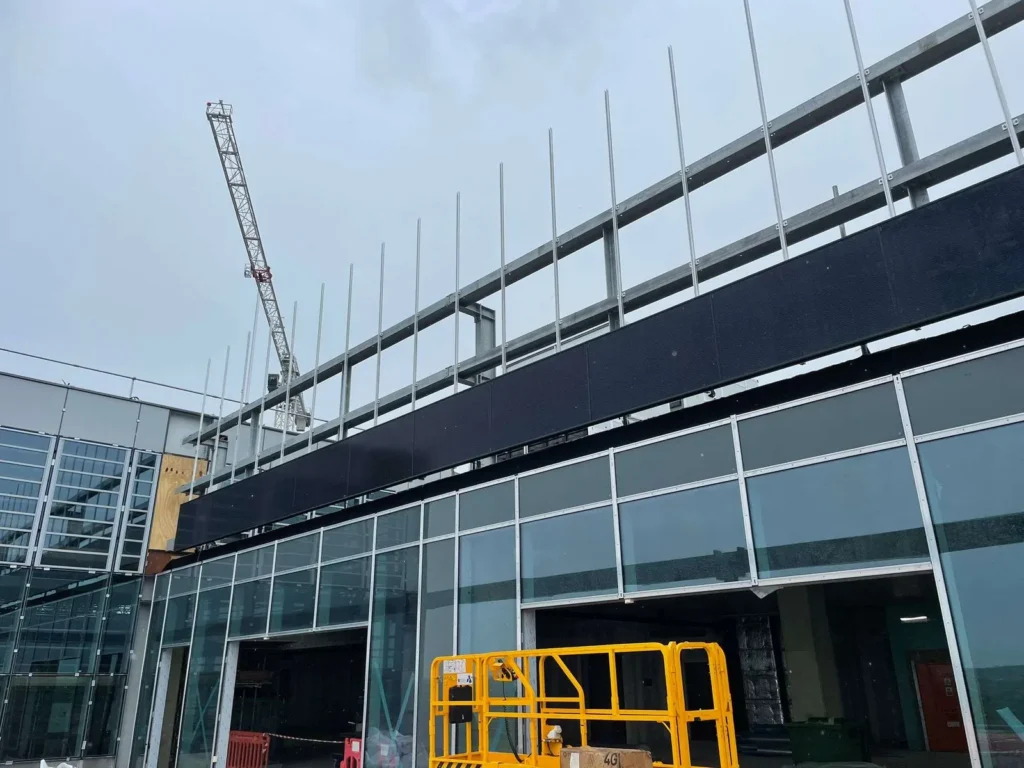
how to build a facade or wall mounted solar panel system
Capture Energy with Design Wall Mounted Solar Panels for Commercial Buildings
Facade or wall mounted solar panel systems are becoming increasingly popular in commercial settings due to their ability to generate energy while also complementing building design aesthetics.
Unlike traditional roof-mounted systems, facade or wall mounted solar panels are integrated into the vertical walls of a building, providing a space-saving solution and often increasing the architectural appeal of the structure.
This type of installation can be ideal for businesses with limited roof space. It helps to take advantage of otherwise unused surfaces while maintaining energy efficiency.
As well as looking good, wall-mounted solar panels cut energy use from the grid and improve a building's environmental credentials. By utilising the vertical facade, companies can align their energy strategy with sustainability goals, meet their corporate social responsibility, and reduce long-term energy costs.
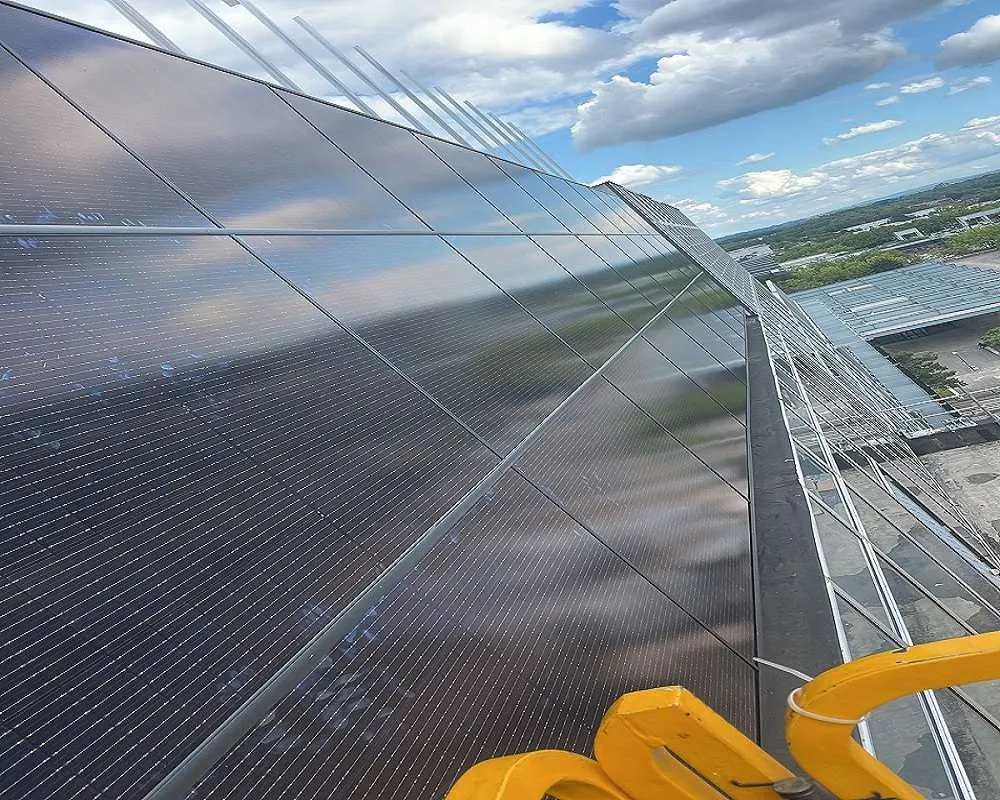
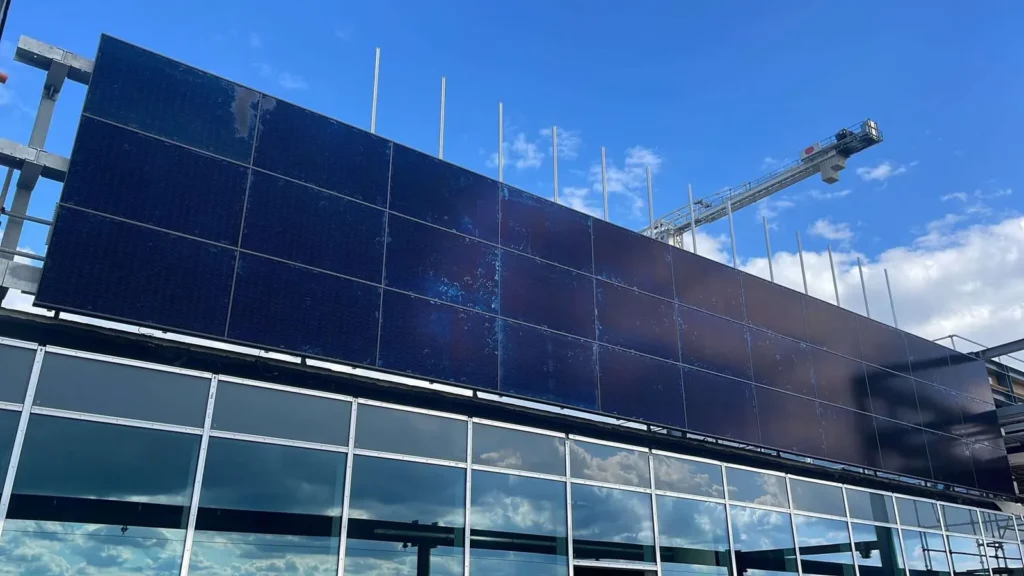
Step 1: Assess the Feasibility of wall mounted PV panels
Before proceeding with the installation of a facade or wall mounted solar PV system, a comprehensive feasibility assessment is crucial. This ensures the system will perform efficiently while aligning with the building’s design and operational requirements.
Key factors to consider include:
✅ Building Orientation and Sunlight path: Analyse how much sunlight the building receives throughout the day and whether it is suitable for facade-mounted panels system.
✅ Structural Integrity: Ensure the facade or wall is strong enough to support the weight of the solar panels and mounting systems.
✅ Local Regulations and Planning Permissions: Verify any required permissions and regulations that may affect installation, particularly in urban or high-visibility areas. Planning permission is generally only required if the building is listed or located in a National Park. In the case of Areas of Outstanding Natural Beauty (AONBs), specific restrictions may apply, and local authorities should be consulted to ensure compliance with any additional regulations.
✅ Aesthetic Considerations: The visual impact of the system is critical in urban environments. Opt for designs and technologies that blend with the building’s appearance. When installing on prominent facades or high-visibility areas, consider using anti-reflective solar panels to minimise glare and maintain aesthetic appeal.
Step 2: Wall Mounted Solar Design Considerations
The design phase involves using advanced software to calculate potential energy generation and modify the system's placement for optimum efficiency. Solar developers and engineers play an essential role in ensuring the system integrates flawlessly with the building's architecture.
Important design considerations include:
✅ Solar Panel Selection: Choose the type of panels that best suit façade installations, such as thin-film panels for a sleek, space-efficient design, or bifacial panels that capture light from both sides. Bifacial panels are particularly effective where the design allows for sunlight to reach both sides, increasing overall energy efficiency.
Let me know if you need further refinements! - Tilt Angles and Mounting Systems: The tilt of the panels can significantly affect sunlight capture, so adjusting this angle appropriately based on building orientation is key. Mounting systems have to be strong and adaptable to different building designs.
Step 3: Mounting Solar Panels on Wall Structural Requirements
Mounting solar panels on the wall must be supported by a strong and durable structure. Engineering and structural consultations will help ensure the building can handle the added weight and wind loads.
Mounting options include:
✅ Brackets and Frames: These are used to secure the solar PV panels to the wall while allowing for ventilation and maintaining panel efficiency.
✅ Integrated Systems: Some systems are built into the building's structure for a flush finish.
✅ Weather Resistance: The system must be designed to withstand environmental exposure, including wind, rain, and extreme temperatures. Insulation and ventilation considerations are essential to protect both the solar panels and the building.
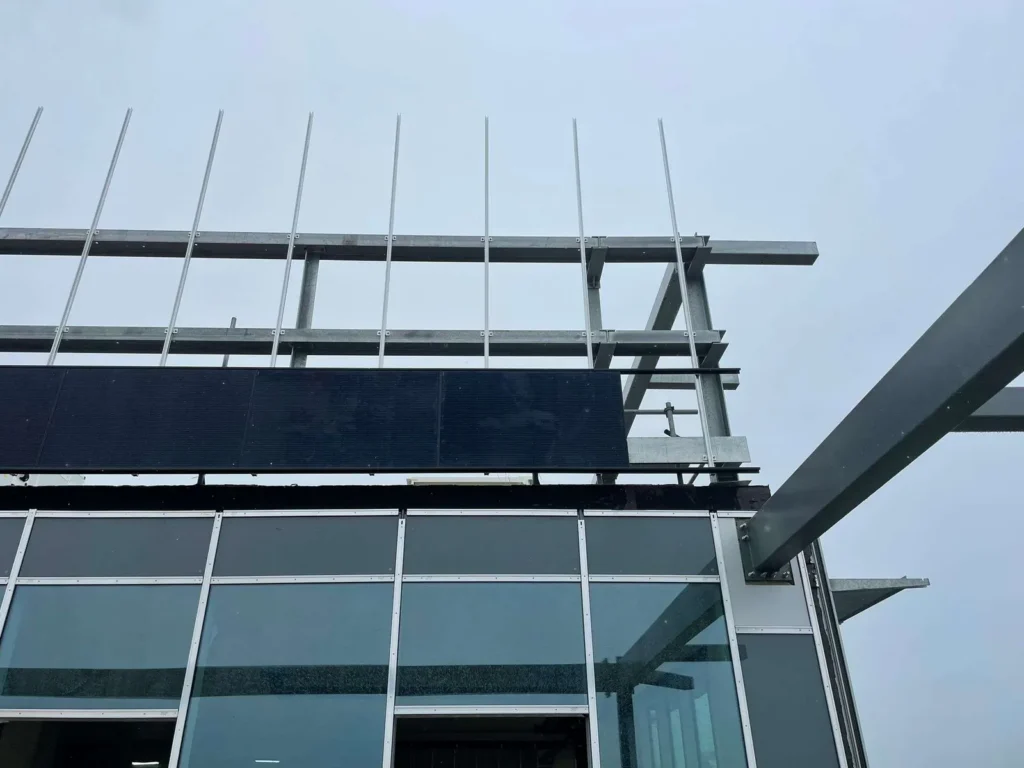
Step 4: Wall Mounted Solar PV Installation Process
The installation of a wall mounted solar PV system typically follows a systematic process:
✅ Mounting Brackets: First, use solar panel wall mounting frame systems to secure the mounting brackets to the wall, ensuring they are anchored properly to support the solar panels.
✅ Solar Module Attachment: Attach the solar panels to the brackets or frames, ensuring they are angled correctly for optimal sunlight exposure.
✅ Cabling and Connections: Connect the system’s wiring according to the design plan, ensuring that DC cables are securely tied to the cable management system. This ensures safe and efficient energy transmission from the panels to the inverters and safely integrates with the building’s electrical infrastructure.
Given the complexity of facade or wall mounted PV panel installations, it’s crucial to use certified installers who follow safety protocols and ensure proper execution of the installation.
Step 5: Electrical Integration
Once the wall-mounted PV panels are installed, the electrical integration process begins. This involves connecting the solar PV strings to the building’s energy infrastructure, typically through inverters that convert the direct current (DC) produced by the panels into alternating current (AC) to power the building.
✅ Grid-Tied vs. Off-Grid Systems: Most commercial solar PV systems are grid-tied, allowing businesses to sell excess energy back to the grid. Off-grid systems, while less common, are also possible for certain applications.
✅ Inverter Selection: The inverter is crucial for managing the system’s efficiency. Choose high-quality inverters designed for commercial use.
Step 6: Maintenance and Monitoring
Like any energy system, facade-mounted solar PV installations require regular maintenance to ensure long-term performance and efficiency.
✅ Maintenance Requirements: Regular inspections, cleaning, and occasional servicing will keep the panels performing optimally.
✅ Monitoring Systems: Remote monitoring technology allows businesses to track energy production and detect any issues in real-time, reducing downtime and maximising efficiency.
✅ Access Considerations: Wall mounted solar systems may require special equipment for maintenance access, such as scaffolding or specialised lifts.
Step 7: Cost and ROI Considerations
Investing in a facade wall mounted solar PV system involves several cost components:
✅ Materials and Installation: The cost of solar panels, mounting equipment, and labor.
✅ Permits and Planning: Local regulations and permits may add to the overall expense.
✅ Comparison with Roof-Mounted Systems: Wall mounted solar panel systems may have higher upfront costs due to structural requirements, but they also offer unique benefits in terms of aesthetics and space utilisation.
✅ ROI Considerations: The return on investment for commercial solar PV systems can be significant, with energy savings, government incentives, and the ability to sell excess energy back to the grid through schemes like the Smart Export Guarantee (SEG).
Building a facade wall-mounted commercial solar PV system is a space-efficient solution for businesses looking to harness solar energy without using roof space. By carefully assessing feasibility, considering design, and selecting the right structural and electrical components, companies can benefit from long-term energy savings and a reduced environmental impact.
If your business is interested in getting more information on facade-mounted solar solutions, contact Excel Energy today for a feasibility assessment and expert guidance.
Turn this into a plan for your site.
Excel Energy designs, installs and maintains commercial solar, battery storage and EV charging for UK businesses. We are MCS, RECC, NAPIT and TrustMark accredited and have published 27 case studies with real system sizes and paybacks. About us · Case studies · Accreditations
Start with a free site survey for your business
Tell us about your site and your energy use. An Excel Energy engineer will come back with a clear, no-obligation view of what solar could save you.
- No-obligation desktop assessment
- Design, installation and aftercare from one accredited team
- Clear savings and payback figures before you decide
Prefer to talk? Call 0203 834 9440
Request your free survey
Tell us about your site and we will come back to you with a no-obligation assessment.