
what drives solar energy transition?
To accelerate the deployment of solar energy technology and help the UK achieve its ambitious target of 70 gigawatts of solar capacity, several key actions must be taken. These include streamlining regulatory processes, National Grid investments in more infrastructure, increasing financial incentives for businesses and raising public awareness of the environmental and financial benefits of solar energy.
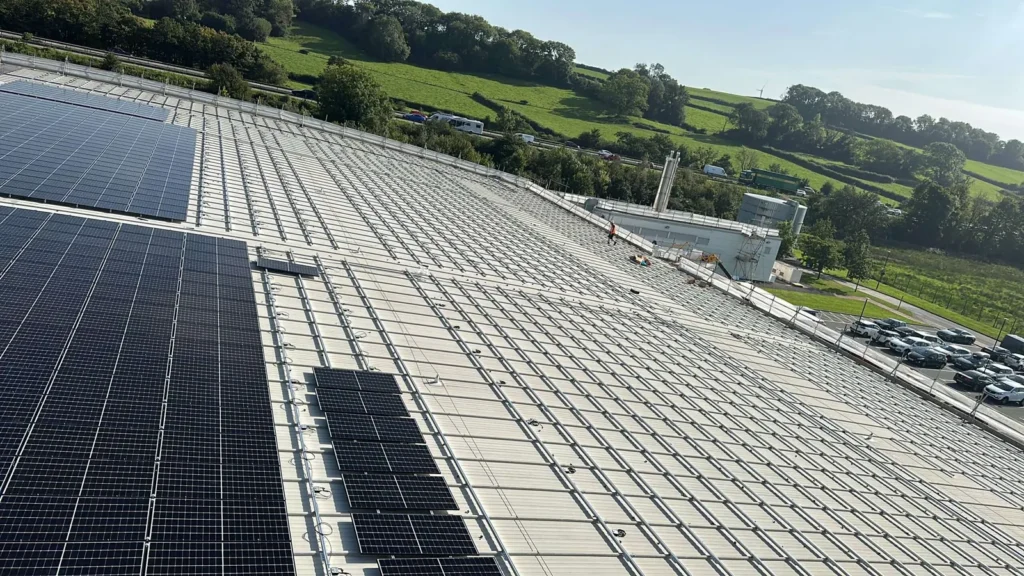
By investing in commercial solar PV systems, businesses can play a real part in this transition, benefiting from significant energy cost savings, supporting sustainability efforts, and contributing to the nation’s renewable energy goals. Solar energy offers a powerful solution for cutting operational costs, reducing carbon footprints, and ensuring energy independence in the face of rising electricity prices.
How to accelerate solar energy transition?
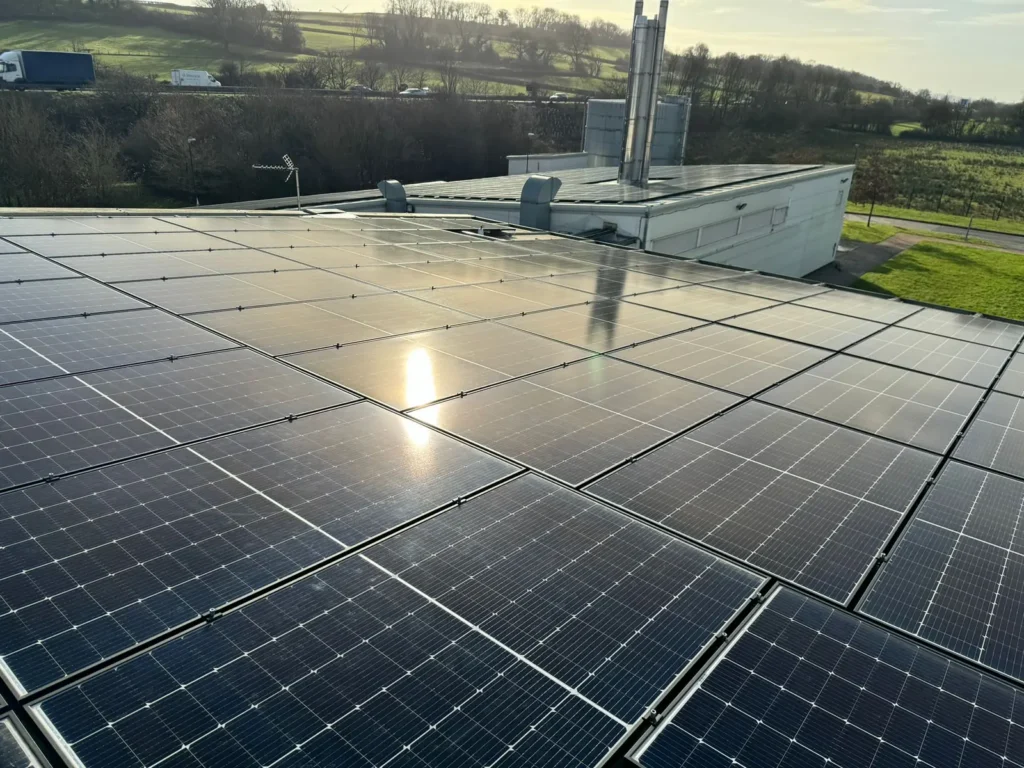
By addressing these factors, the UK can significantly accelerate the adoption of solar energy and move closer to a clean, sustainable energy future. Here we look at what it all means:
- Streamline Planning and Regulatory Processes
Simplify permitting and grid connection: Reducing bureaucratic delays in planning applications and approvals can significantly speed up solar project development.
National planning frameworks: Clear national guidelines and incentives can motivate local authorities to prioritise solar energy investments and accelerate upgrades in electricity infrastructure, facilitating faster integration of renewable technologies.
- Increase Financial Incentives
Introduce subsidies or tax credits: Similar to programs in countries like Germany and the US, the UK could expand financial incentives for solar installation on both businesses and homes.
Green bonds and low interest loans: Providing affordable finance for solar projects can help unlock capital, especially for small and medium sized businesses.
- Expand Grid Capacity and Storage Solutions
Grid upgrades: To accommodate new solar capacity, grid infrastructure needs investment to ensure it can handle distributed energy inputs.
Energy storage: Encourage investment in battery storage to ensure solar energy can be stored and used when sunlight is unavailable, maximising the value of solar projects.
- Support Local and Community Led Solar Projects
Community energy initiatives: Supporting local solar projects helps build public support and spreads the benefits of solar energy widely, especially in rural and underdeveloped areas.
Foster partnerships with local authorities: Local government involvement in solar projects can open up opportunities for land use and make use of public infrastructure.
Creation of more local authority public-owned carbon trusts to invest locally.
- Invest in Technological Innovations
R&D for efficiency improvements: Continued investment in research and development to improve the efficiency and lifespan of solar panels will make solar PV even more competitive.
Innovative solar applications: Encourage the adoption of solar in diverse settings, such as solar rooftops, solar carports, and agrivoltaics, to integrate solar power with other land uses.
- Smaller Generators
Introducing more opportunities for smaller energy generators to sell their stored energy at competitive rates on the open market could foster a decentralised energy market, reducing the dominance of major players and encouraging broader participation.
- Raise Public Awareness and Education
Awareness campaigns: Educating the public and businesses on the benefits of solar PV (cost savings, energy security, sustainability) can increase uptake.
Training for installers: Expanding training programs for solar installers will help build a skilled workforce capable of meeting growing demand.
By addressing these areas, the UK can significantly speed up the deployment of solar PV, supporting its transition to a low carbon future while strengthening energy security.
How Businesses can contribute to solar energy deployment
Businesses can speed up the uptake of solar PV and the move to a low-carbon economy. Here’s how businesses can contribute:
- Adopt Solar PV for Operations
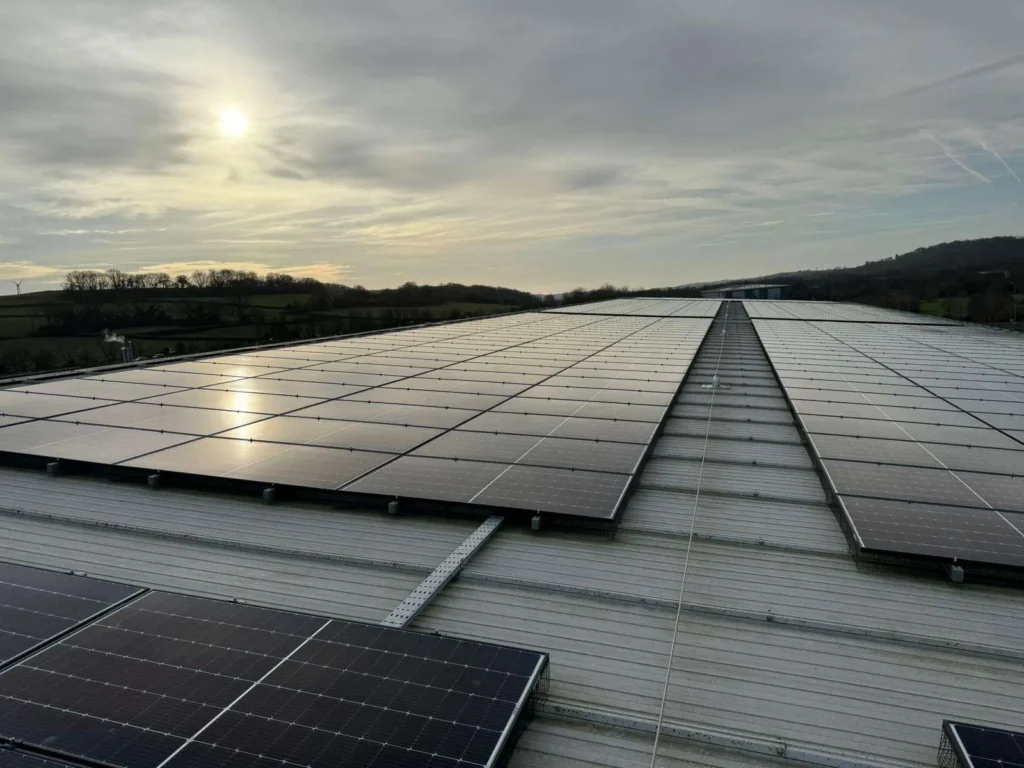
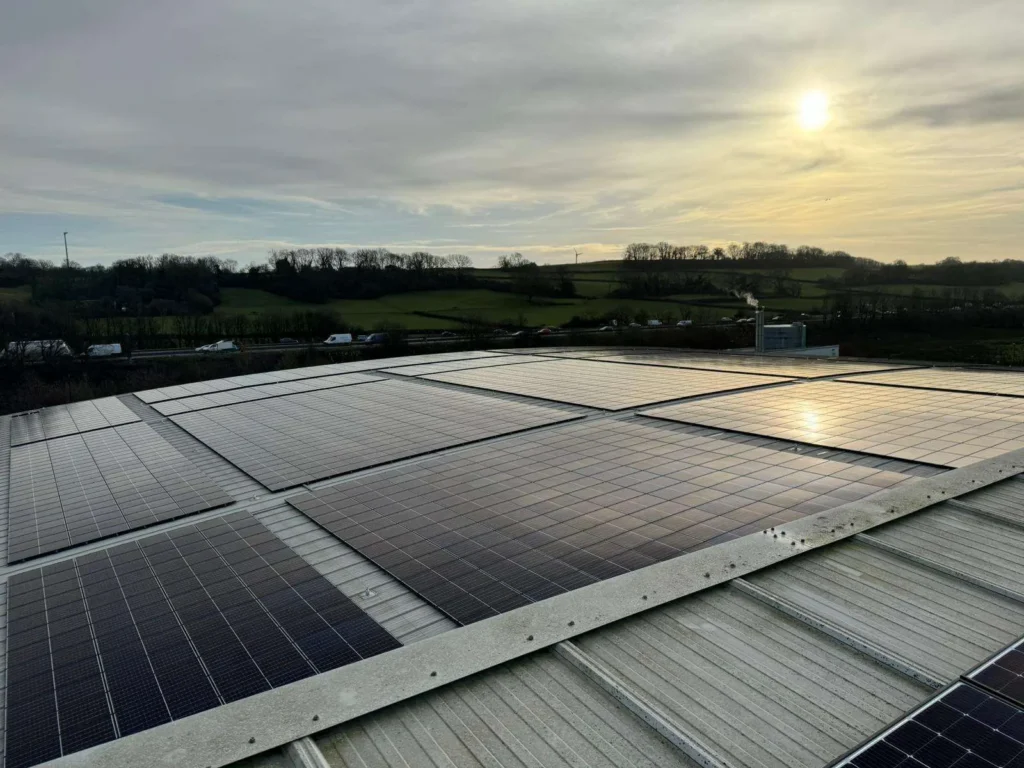
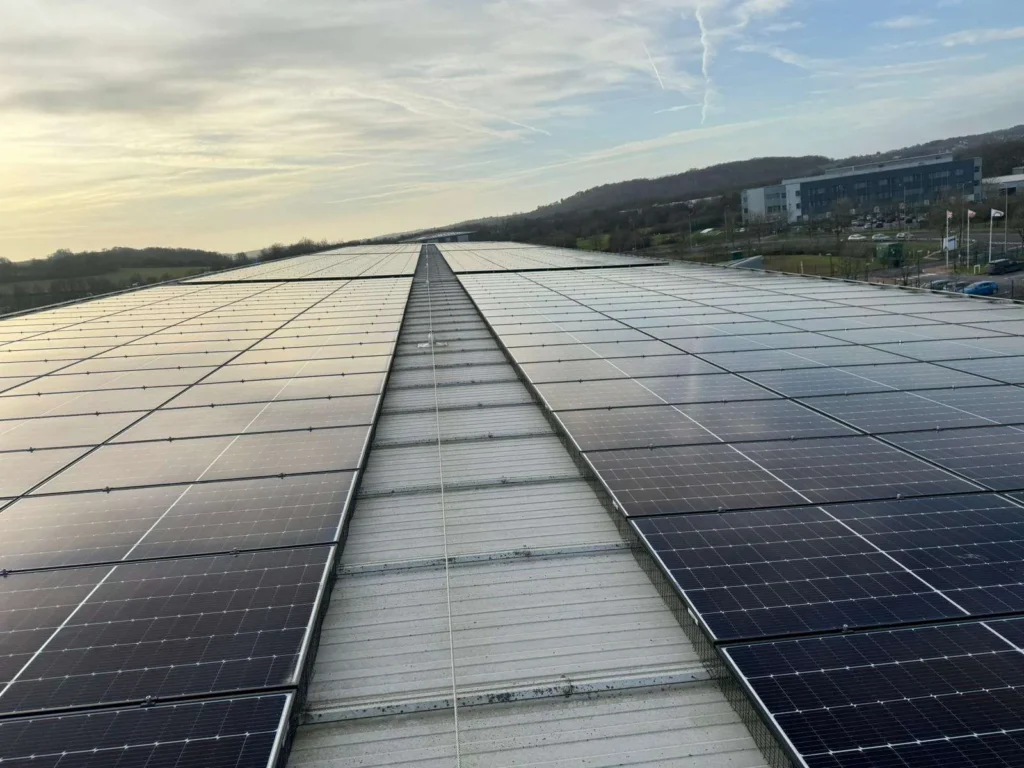
Install solar panels on commercial buildings: Businesses with large rooftops or land can install solar PV systems to generate their clean energy, reducing their reliance on grid power and lowering energy costs.
PPA (Power Purchase Agreements): Companies can enter into PPAs with solar providers, allowing them to buy clean energy at a fixed discounted rate of 50% less than National Grid rates without paying the upfront cost for the installation.
Solar-powered infrastructure: Integrating solar power into operations, such as solar carports, electric vehicle (EV) charging stations, and industrial equipment, can further reduce carbon footprints.
- Invest in Solar Projects
Direct investment in solar farms: Businesses with capital resources can invest in or co-finance large-scale solar farms, contributing to the expansion of solar capacity.
Corporate sponsorships and partnerships: Partner with renewable energy developers or utilities to fund solar initiatives through investment or as part of corporate social responsibility (CSR) programs.
- Advocate for Solar Friendly Policies
Lobby for supportive legislation: Businesses can advocate for streamlined regulations, financial incentives, and policies that promote solar energy adoption and grid integration.
Engage in industry coalitions: Companies can join or form coalitions to promote renewable energy, influence policy, and share best practices.
- Transition Supply Chains to Solar Power
Encourage solar use across the supply chain: Businesses can require or incentivise their suppliers and partners to use solar energy, promoting sustainability throughout their supply networks.
Set renewable energy goals: Large corporations can commit to 100% renewable energy targets (like RE100) and push their entire value chain to adopt solar solutions.
- Leverage Solar in Sustainability Goals
Carbon reduction commitments: Solar energy can be a key component of corporate sustainability strategies aimed at achieving NetZero emissions. By incorporating solar energy, businesses can reduce their Scope 1 and 2 emissions.
Public sustainability reporting: Reporting solar investment and energy savings in sustainability reports builds your reputation and shows environmental leadership.
- Create Employee and Community Programs
Employee solar incentives: Companies can offer subsidies or support for employees to install solar panels at home, spreading the use of renewable energy beyond business operations.
Community solar projects: Businesses can support or lead local community solar projects that benefit underserved communities by providing affordable clean energy and sharing the benefits of renewable energy.
- Invest in R&D and Innovation
Support new solar technologies: Businesses in technology, construction, and energy can invest in the research and development of more efficient solar cells, advanced storage systems, or new applications like solar powered devices and agrivoltaics.
Collaborate with academic and tech institutions: Partner with universities, research labs, and clean tech startups to bring new solar solutions to the market faster.
By acting, businesses speed up solar deployment, strengthen their brand, cut operating costs and make a real contribution to tackling climate change.
You can read the latest status of the government's ambition of 70 gigwatts by 2035: HERE.
Turn this into a plan for your site.
Excel Energy designs, installs and maintains commercial solar, battery storage and EV charging for UK businesses. We are MCS, RECC, NAPIT and TrustMark accredited and have published 27 case studies with real system sizes and paybacks. About us · Case studies · Accreditations
Start with a free site survey for your business
Tell us about your site and your energy use. An Excel Energy engineer will come back with a clear, no-obligation view of what solar could save you.
- No-obligation desktop assessment
- Design, installation and aftercare from one accredited team
- Clear savings and payback figures before you decide
Prefer to talk? Call 0203 834 9440
Request your free survey
Tell us about your site and we will come back to you with a no-obligation assessment.